
A series on caregiving, fundraising and the future of nonprofit sustainability
Read the first installment here.
For me, living in the squish of the sandwich generation has revealed unexpected benefits. I’ve learned how it mirrors the tough realities of nonprofit leadership, especially for those leading fundraising. It’s helped me cultivate a belief in radical interdependence: the idea that missions need partners, not passengers, to thrive and survive. As a leadership principle, the concept has reshaped my work with mission-driven enterprises.
In this second installment of a series, I explore how radical interdependence, honed through parenting, offers lessons for nonprofit leaders working to build a stronger internal culture of giving.
The Bottom Slice
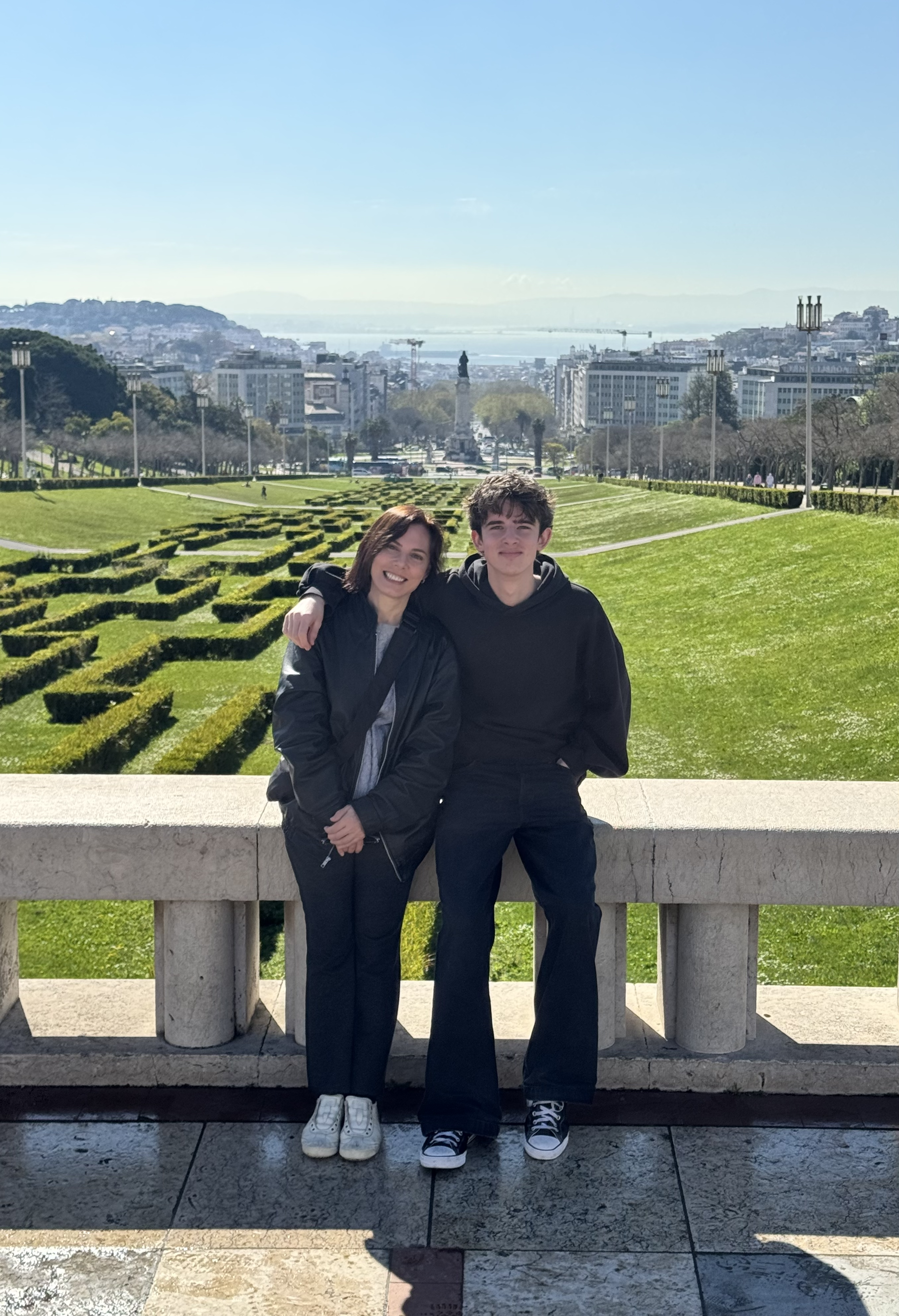
When my son was a baby, toddler, adolescent and early teen, he depended on me for nearly everything. I was driving the life bus; he was along for the ride. My job was to make his journey as safe and steady as possible, providing food, shelter, security and care. But since he entered his first year of college, my role has shifted. I show up less like a boss and more like a coach in his corner. Our relationship is evolving into something mutual and less directive.
The parallels between parenting and nonprofit leadership are unexpected, but they offer real insight into how we build generous and sustainable cultures. Many leaders wonder why staff members don’t financially support the missions they serve. Those who encourage staff participation often stand in stark contrast to those who see it as inappropriate or potentially harmful. And both perspectives exist for valid reasons. When handled poorly, internal efforts can feel coercive or tone-deaf. Yet avoiding the conversation altogether overlooks a critical factor: internal support often signals organizational health and long-term viability.
Just as we raise our children to stand on their own through life’s challenges, non-profit leaders must cultivate internal cultures that are resilient enough to withstand the many downward pressures on the sector. Staff members are among the most powerful advocates a mission has. According to Classy’s World Changing Work Report, 53% of nonprofit staff who feel satisfied in their current roles are willing to donate to their employer.
First, put relationships before requests. A culture of giving doesn’t begin with an ask; it begins with relationship management. Just as we demonstrate empathy, integrity and consistency with our highest-value donors, we must apply those same principles internally. Nonprofit employees already contribute enormous time, energy and emotional labor, often at below-market pay. Leaders should acknowledge these contributions publicly and consistently, provide adequate resources and benefits, offer fair compensation whenever possible, and invest in professional growth so basic needs do not become persistent stressors.
Second, practice modeling over mandates. Children rarely do what we tell them to do; they learn by watching us. This is why top-down campaigns, as well-meaning as they may be, often fall flat. When leaders visibly give their own time, talent or resources (not as a performance, but as a genuine act), they signal shared ownership. Modeling participation builds credibility in ways that mandates never can. Run your own peer fundraiser. Show up to stuff envelopes with the development team. Leadership behavior sets the tone for organizational culture.
Finally, make sustainability a shared practice. If your development department sits off to the side, carrying the burden of fundraising alone, you may have an issue. Fundraising should be woven into everyday organizational life. Invite program teams into donor conversations. Celebrate fundraising wins as mission wins. Offer varied opportunities for staff engagement so people can self-select how they participate, through direct support, peer fundraising or mission advocacy. When fundraising becomes part of the shared language, participation begins to feel relational rather than transactional.
My relationship with my adult son is evolving toward mutual care and shared responsibility. One day, the child who once depended on me may become someone I depend on. The power dynamic shifts, but the bond remains. Strong nonprofits operate in much the same way. Across the organizations I’ve worked with, the ones that cultivate shared ownership internally are often the ones that sustain momentum externally.
When organizations treat employees as collaborators and partners, generosity becomes a shared value, not a forced outcome. And in a sector facing critical sustainability challenges, that shift may be one of the most important investments that leaders can make.
Emily Moyer is the Principal of Impact Ilk Brands, a consultancy designing architecture for growth and sustainability at mission-driven businesses and non-profits. To schedule a complimentary 30-minute consultation with Emily, please visit this page.
Leave a Reply